Weight Loss Surgery Frequently Asked Questions

Effectiveness of Bariatric Surgery

How does bariatric surgery work?

  • Restrictive procedures: During these procedures, the surgeon creates a small pouch that limits the amount of food patients can eat. This smaller pouch fills quickly and helps the patient feel satisfied with less food. Examples of restrictive procedures: Adjustable Gastric Banding and Gastric Sleeve.
  • Malabsorptive Procedures: The small intestine absorbs calories and nutrients from food. During these procedures, the surgeon reroutes the small intestine so that food skips a portion of it. As a result, a reduced amount of calories and nutrients are absorbed by the body. Surgeons rarely perform strictly malabsorptive procedures. Most procedures that use malabsorption also use restriction.
  • Combination Procedures: Certain procedures use both restriction and malabsorption. For example, the Roux-en-Y gastric bypass surgery uses a combination of restriction and malabsorption. During the procedure, the surgeon creates a small pouch. The surgeon then attaches a Y-shaped section of the small intestine directly to the stomach pouch. This allows food to bypass a portion of the small intestine which causes fewer calories to be absorbed by the body. The newly created smaller pouch causes a patient to feel fuller sooner and eat less food. Examples of combination procedures: Gastric Bypass and Duodenal Switch.

Back to Top

Which surgery is right for me?

When considering bariatric surgery, you need to understand more about the risks and benefits of each procedure. Only you and your bariatric surgeon can decide which procedure is right for you.

Back to Top

How much weight will I lose?

The actual weight a patient will lose after the procedure is dependent on several factors. These include:

  • The patient's age
  • Weight before surgery
  • Overall condition of the patient's health
  • Surgical procedure
  • Ability to exercise
  • Commitment to maintaining dietary guidelines and other follow-up care
  • Motivation of patient and cooperation of their family, friends, and associates

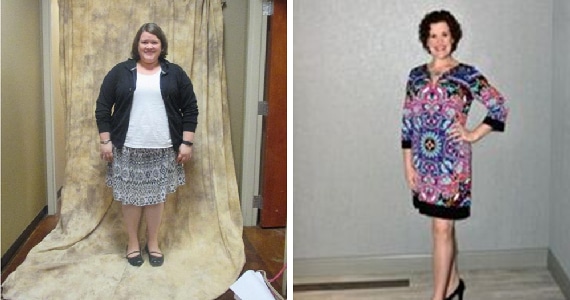
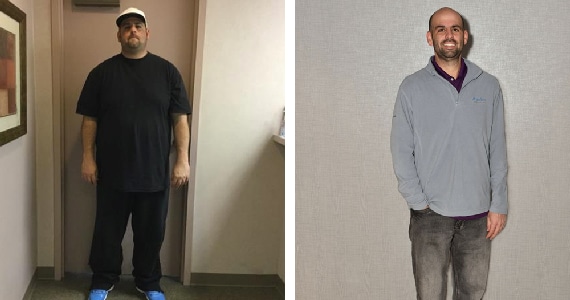
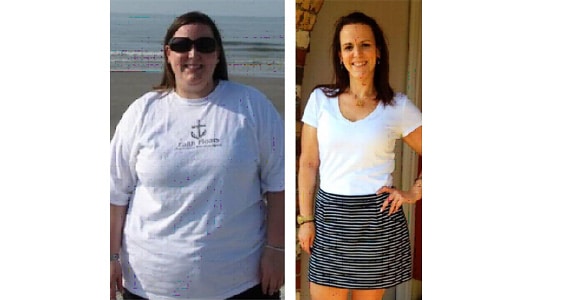
In general, weight loss surgery success is defined as achieving loss of 50% or more of excess body weight and maintaining that level for at least five years. Clinical studies show that, following surgery, most patients lose weight rapidly and continue to do so until 18 to 24 months after the procedure. Patients may lose 30 to 50% of their excess weight in the first six months and 77% of excess weight as early as 12 months after surgery. Patients with higher initial Body Mass Index (BMI) tend to lose more total weight. Patients with lower initial BMIs will lose a greater percentage of their excess weight and will more likely come closer to their ideal body weight.

Back to Top

Pre-Op Weight Loss Surgery Testing

Why do I have to have a sleep study?

The sleep study detects a tendency for abnormal stopping of breathing, usually associated with airway blockage when the muscles relax during sleep. This condition is associated with a high mortality rate. After surgery, you will be sedated and may receive narcotics for pain, which further depress normal breathing and reflexes. Airway blockage becomes more dangerous at this time. It is important to have a clear picture of what to expect and how to handle it.

Back to Top

Why do I have to have a psychiatric evaluation?

The most common reason a psychiatric evaluation is ordered is that your insurance company may require it. Most psychiatrists will evaluate your understanding and knowledge of the risks and complications associated with weight loss surgery. They are also interested in evaluating your ability to follow the basic recovery plan and your commitment to lifestyle changes.

Back to Top

What impact do my medical problems have on the decision for surgery, and how do the medical problems affect risk?

Medical problems, such as serious heart or lung problems, can increase the risk of any surgery. On the other hand, if they are problems that are related to the patient's weight, they also increase the need for surgery. Severe medical problems may not dissuade the surgeon from recommending bariatric surgery if it is otherwise appropriate, but those conditions will make a patient's risk higher than average.

Back to Top

What can I do before the appointment to speed up the process of getting ready for surgery?

  • Select a primary care physician if you don't already have one, and establish a relationship with him or her. Work with your physician to ensure that your routine health maintenance testing is current.
  • Make a list of all the diets you have tried (a diet history) and bring it to your primary care doctor and your initial visit with your surgeon.
  • Bring any pertinent medical data to your appointment with the surgeon - this would include reports of special tests (echocardiogram, sleep study, etc.) or hospital discharge summary if you have been in the hospital.
  • Bring a list of your medications with dose and schedule.
  • Stop smoking. Surgical patients who use tobacco products are at a higher surgical risk.

Back to Top

Bariatric Surgery Insurance

Many insurance companies cover weight loss surgery. Policies vary with employer contracts and companies. It is best to read your policy for coverage information. Our patient advocates are nationally recognized for their experience in gaining insurance approval.

How can my insurance company deny insurance payment for a life-threatening disease?

Payment may be denied because there may be a specific exclusion in your policy for surgical weight loss for the "treatment of obesity."

Insurance payment may also be denied for lack of "medical necessity." A therapy is deemed to be medically necessary when it is needed to treat a serious or life-threatening condition. In the case of morbid obesity, alternative treatments - such as dieting, exercise, behavior modification, and some medications - are considered to be available. Medical necessity denials usually hinge on the insurance company's request for some form of documentation, such as 1 to 5 years of physician-supervised dieting or a psychiatric evaluation, illustrating that you have tried unsuccessfully to lose weight by other methods.

Your employer or human relations/personnel office may also be able to answer any questions you might have regarding your coverage for surgical weight loss procedures.

Back to Top

What can I do to help the process?

The patient advocate will instruct you as to what you will need to do. Generally speaking, you will need to gather all the necessary information required by your insurance company. This information usually includes attempts with previous diets (a diet history), medical records (often, up to a 5 year medical history) and medical tests. This reduces the likelihood of a denial for failure to provide "necessary" information. Letters from your personal physician and consultants attesting to the "medical necessity" of treatment are particularly valuable. When several physicians report the same findings, it may confirm a medical necessity for surgery.

Our patient advocates will submit a “letter of medical necessity” on your behalf utilizing all of the information you have provided.

Back to Top

Weight Loss Surgery

Will I have a lot of pain?

Every attempt is made to control pain after surgery to make it possible for you to move about quickly and become active. This helps avoid problems and speeds recovery.

Back to Top

How long do I have to stay in the hospital?

It will vary depending on the type of surgery. Generally speaking, gastric bypass will have a 1- to 2-night hospital stay. Duodenal switch patients have a 3- to 4-night hospital stay. Gastric sleeve patients will have a one-night hospital stay. Most adjustable gastric banding patients will go home the same day.

Back to Top

How soon will I be able to walk?

Almost immediately after surgery doctors will require you to get up and move about. Patients are asked to walk or stand at the bedside on the night of surgery, take several walks the next day and thereafter. On leaving the hospital, you should be able to care for all your personal needs, but will need help with lifting and with transportation.

Back to Top

How long will I be on liquids?

All weight loss surgery patients begin their bariatric diet with liquids and gradually take in more dense foods beginning with soups and advancing to solid foods over a period of 2 to 6 weeks. This allows for healing and avoids vomiting.

Back to Top

Will I ever eat normally again?

It depends on what you consider “normal”. Bariatric surgery patients return to eating typical foods between 6 and 12 weeks following surgery. Of course the quantity will be approximately ¼ to ½ of what you were eating pre-op. We encourage you to make healthy choices and avoid fried foods and junk food.

Our program includes post-operative support from nurses and dietitians who will counsel you on proper post-op bariatric nutrition and lifestyle changes. These are the keys to success!

Back to Top

How much time should I take off from work?

We recommend that you plan to stay home from work for 10-14 days after surgery. Open procedures would of course take longer to recover. Everyone is unique and this can vary with the job duties and the individuals’ health.

Back to Top

When can I drive?

You may drive when you are no longer taking narcotic pain medication and when your mobility allows you to perform all of the physical tasks of driving such as, wearing a seat belt.

Back to Top

Rightside Navigation Pane Free Seminar

  BMI Calculator
  Weight:
Height:
  ft.   in.